
RESEARCH
Our research investigates the resilience of wetland ecosystems to both climate change and disturbance regimes, as well as the roles these ecosystems can play as natural climate solutions.
We use a multi-scale approach, combining both field research and laboratory analysis with remote sensing and modelling approaches to better constrain spatio-temporal dynamics of wetland ecosystems.
With our work, we aim to contribute to a better understanding of the complex feedbacks between ecosystem resilience and disturbance regimes under a rapidly changing climate.
Research themes
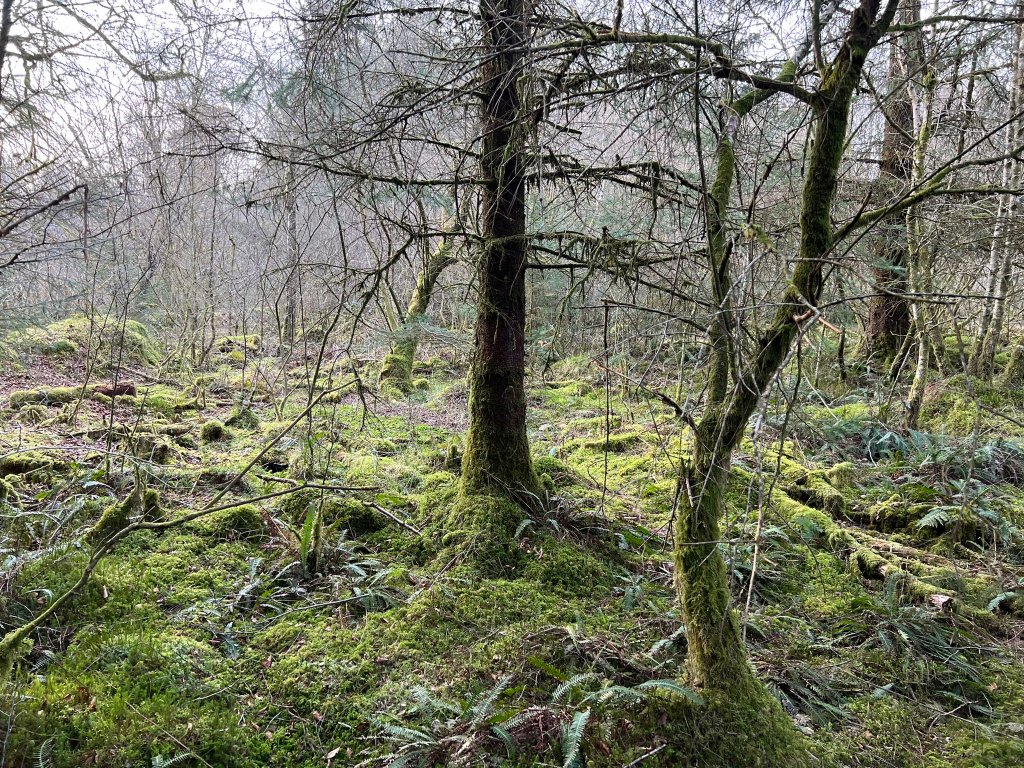
Forested wetland carbon dynamics and ecosystem functioning
We are interested in improving our understanding of forested wetland (including swamps and wet woodland) ecosystem functioning globally. These are incredibly important yet under-appreciated wetland ecosystems. Scott is also a co-founder of the Wet Woodlands Research Network.


Wet woodland (willow carr), Goss Moor, Cornwall (Photo credit: Scott J Davidson)


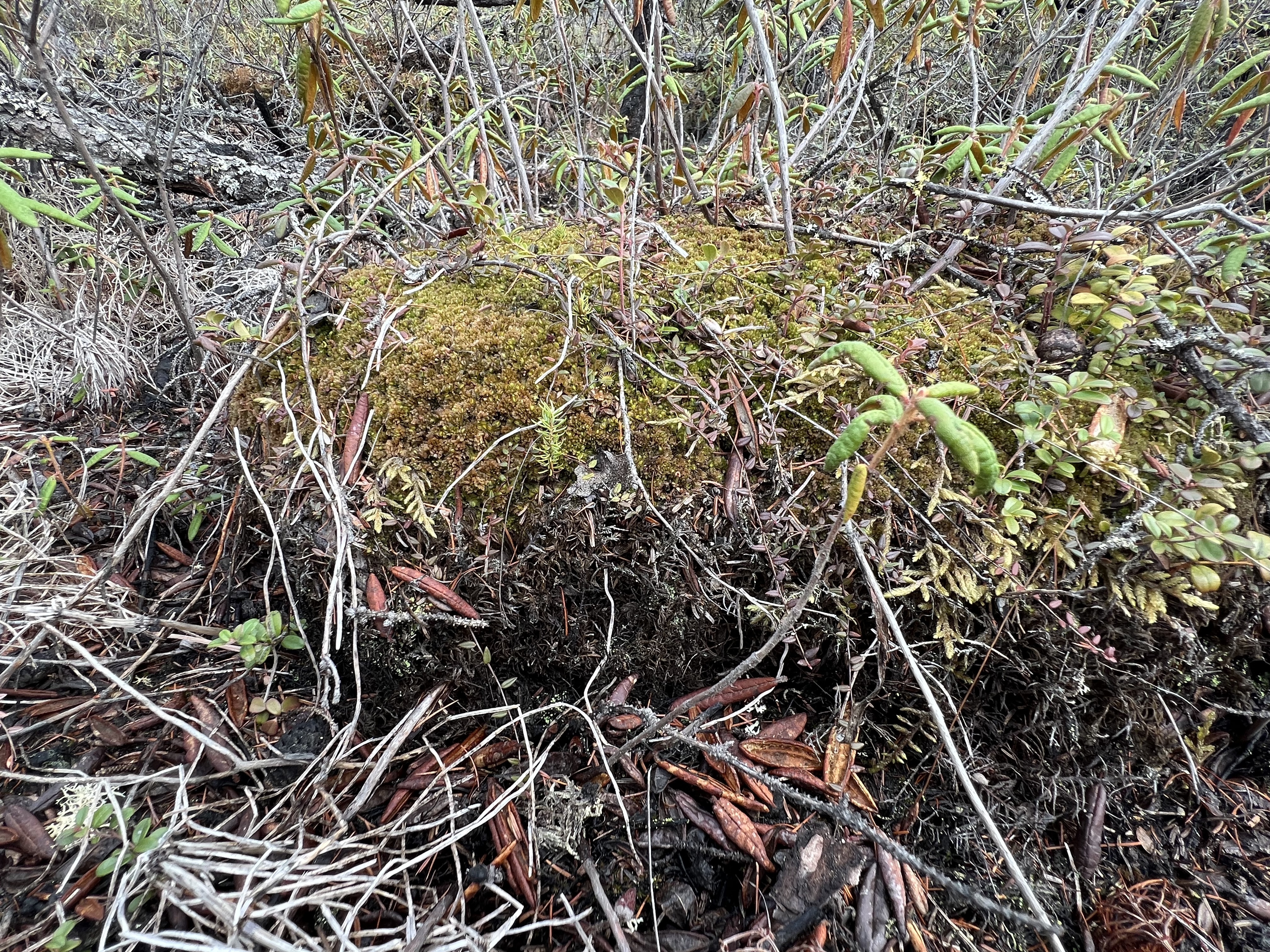
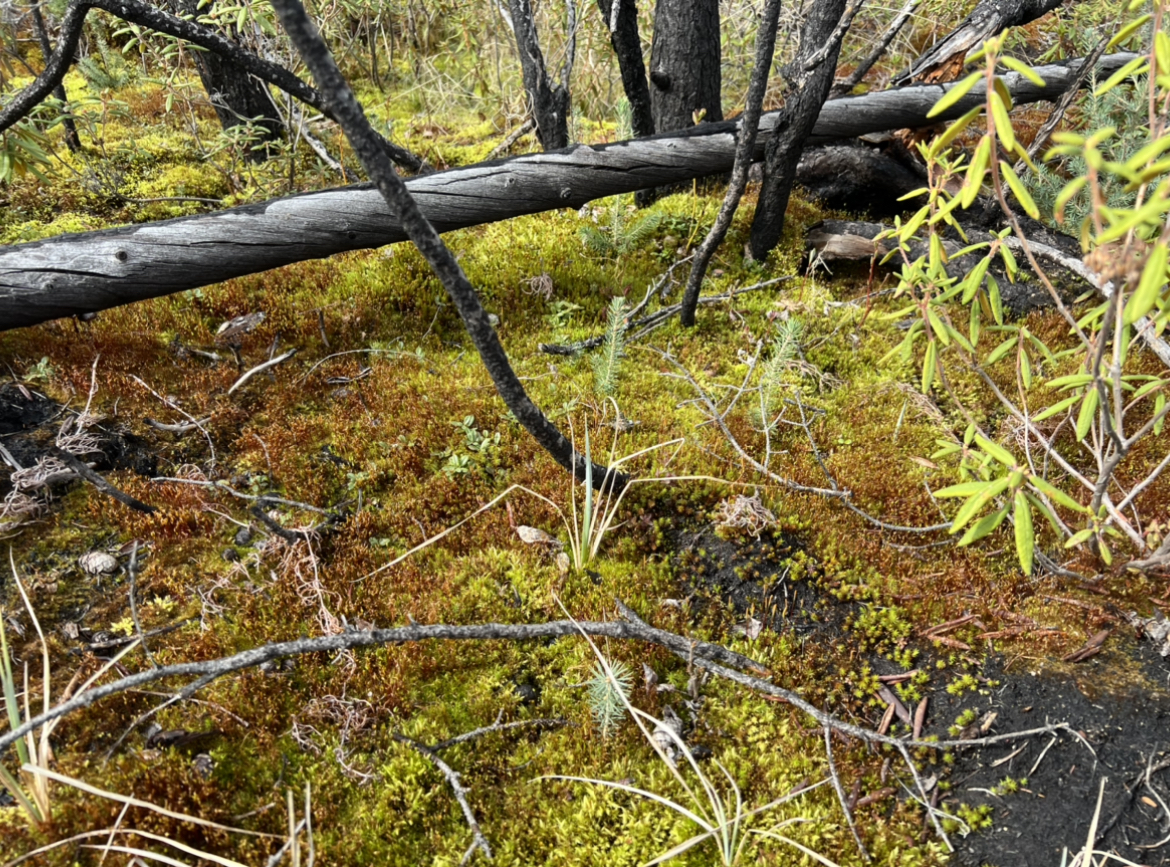
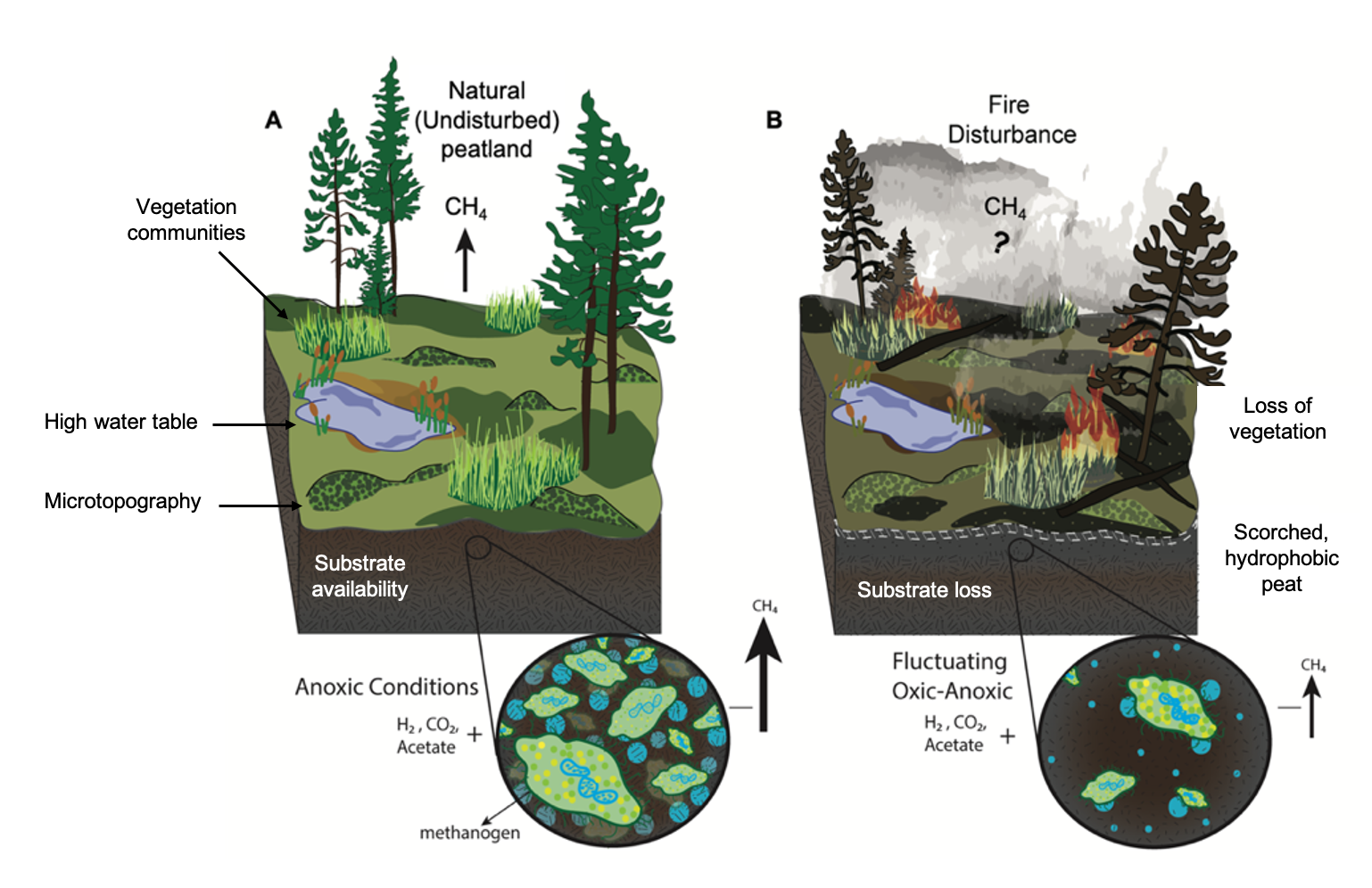
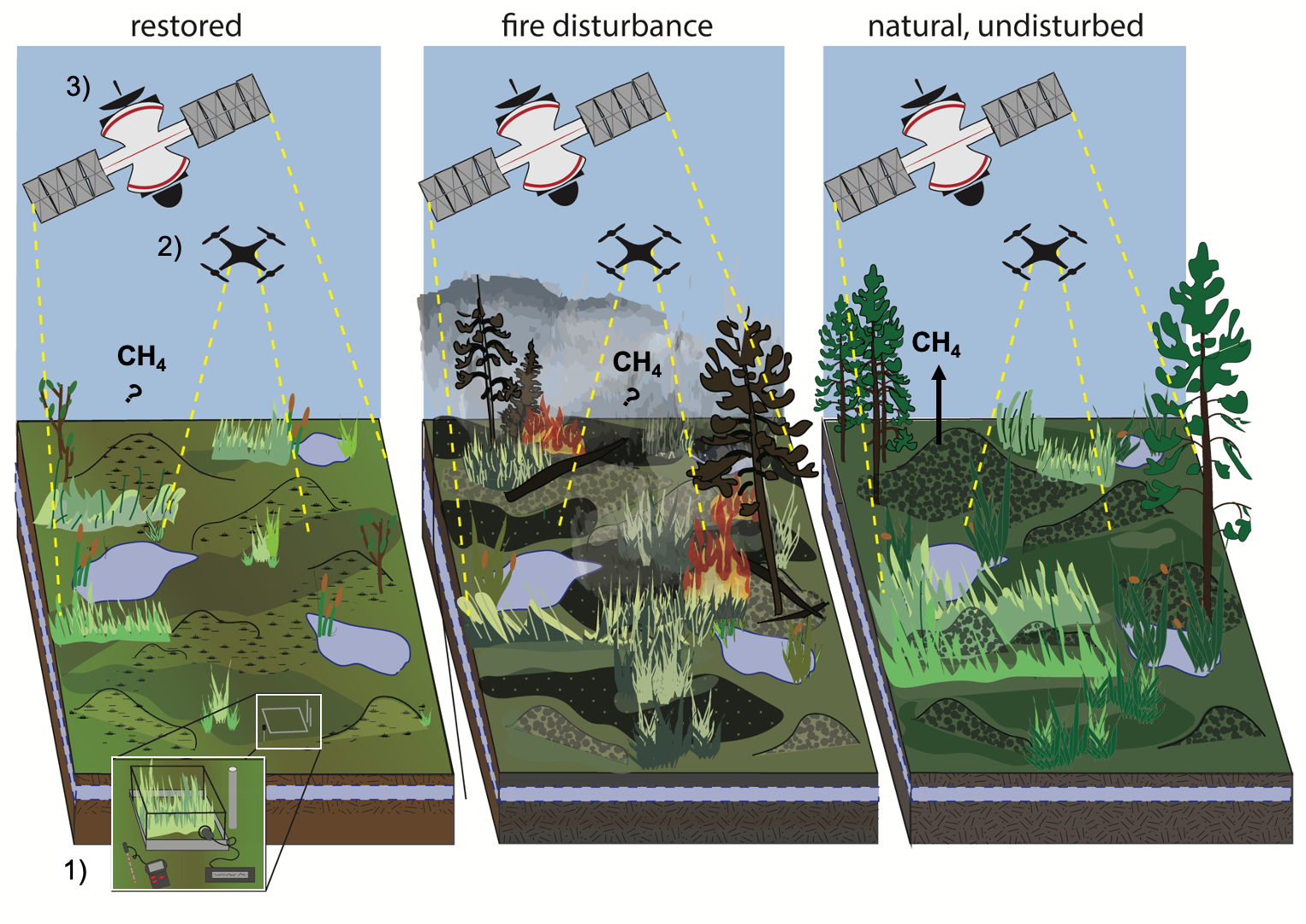
Wildfire impacts on peatland carbon cycling
We are interested in the vulnerability and resilience of peatland ecosystems to the impacts of wildfire. This includes vegetation dynamics following wildfire and post-fire biogeochemical cycling and carbon fluxes.




Anthropogenic disturbance impacts on peatland functioning
Similarly, we are interested in how peatland ecosystems function following disturbance following human activities, including drainage, resource extraction and forestry practices. This includes looking at soil characteristics, vegetation community dynamics and carbon fluxes.


Upscaling ecosystem functioning from plot scale to landscape scale
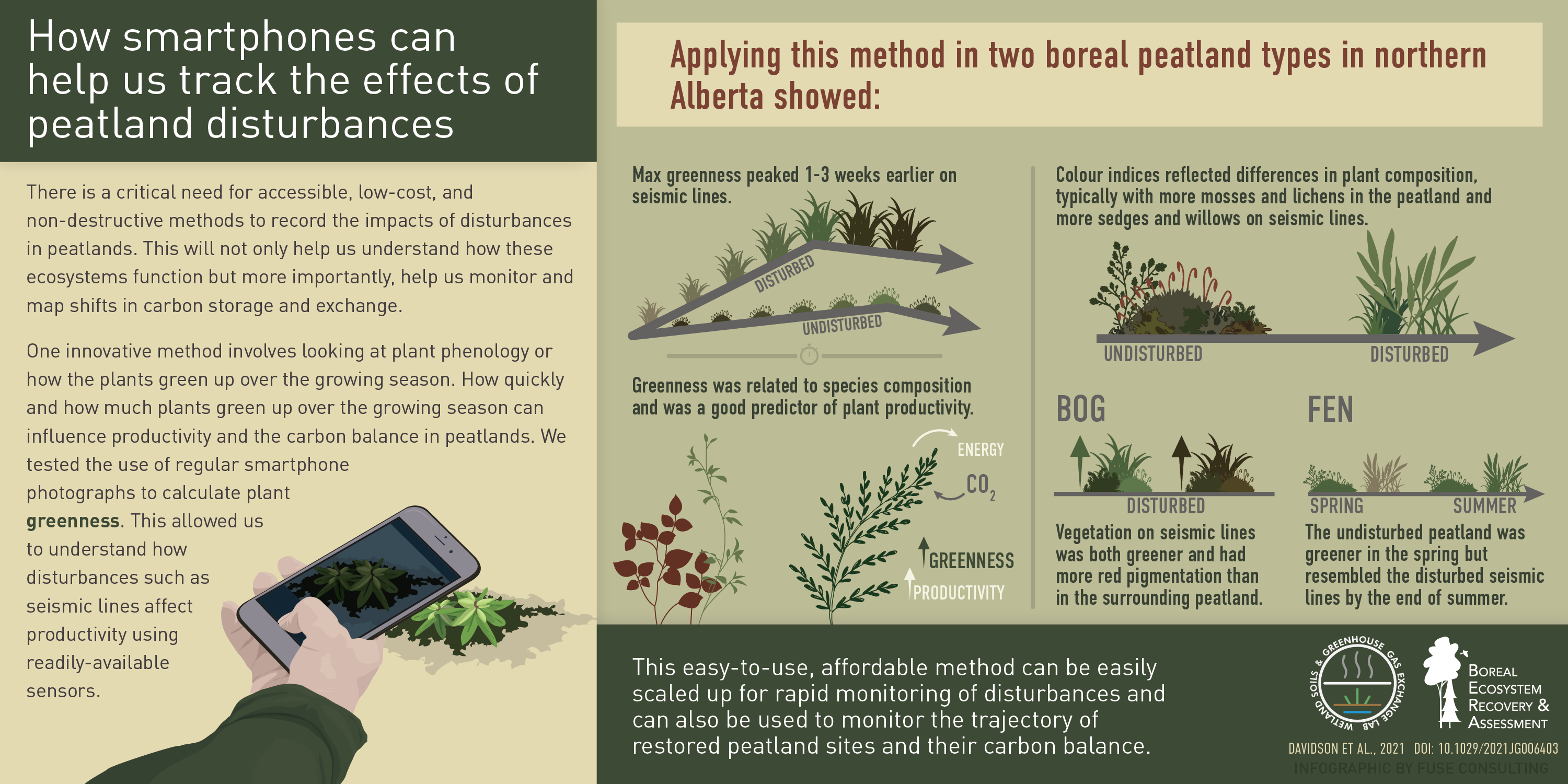
We are really interested in how we can use our understanding of ecosystem functions at the plot scale and scale them up to the landscape scale. This work includes looking at mapping vegetation communities at large scales, upscaling greenhouse gas emissions and improving our understanding of wetland vegetation phenological characteristics to improve earth system and climate models.
 Wetland Resilience Research Group